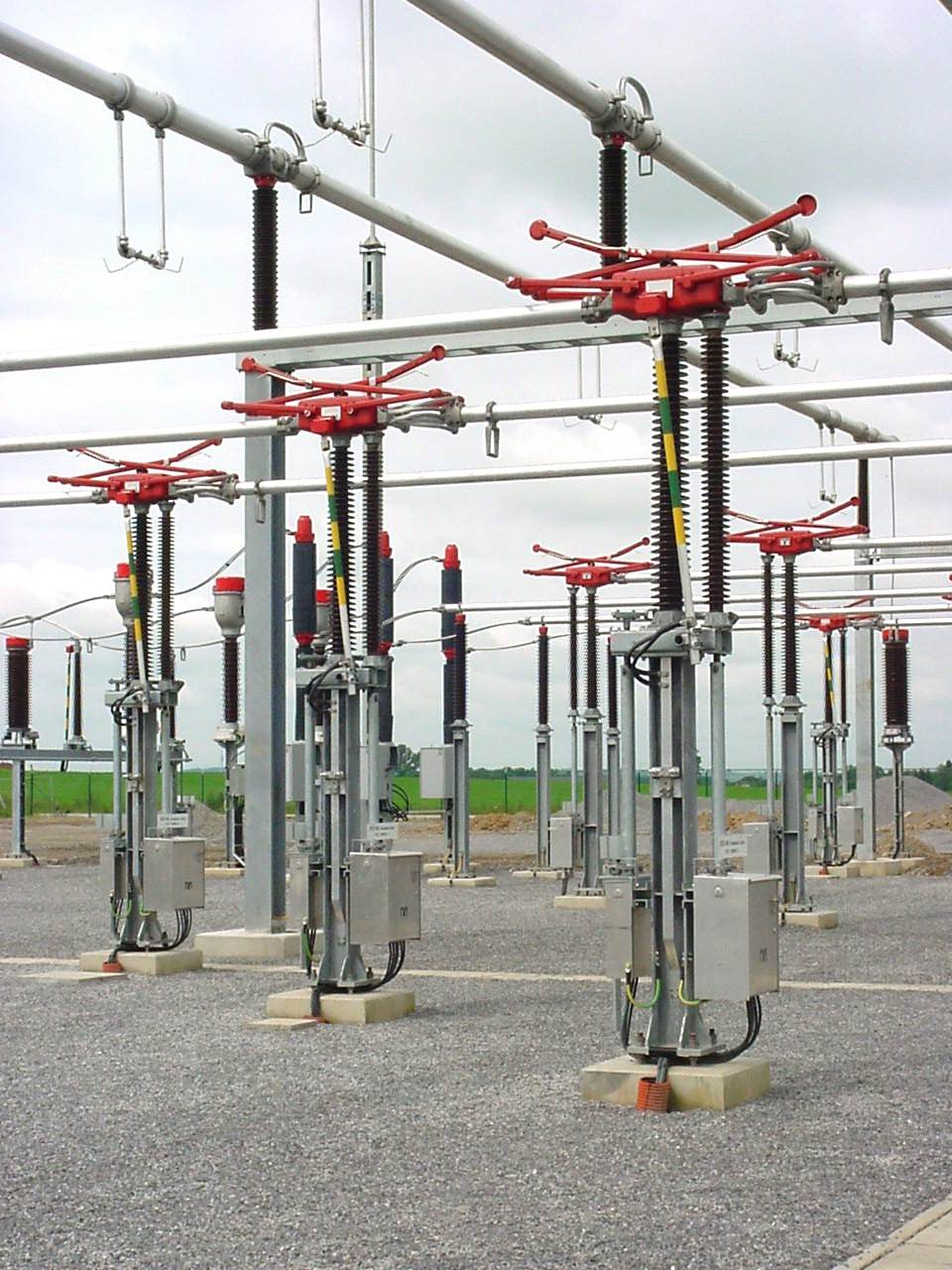
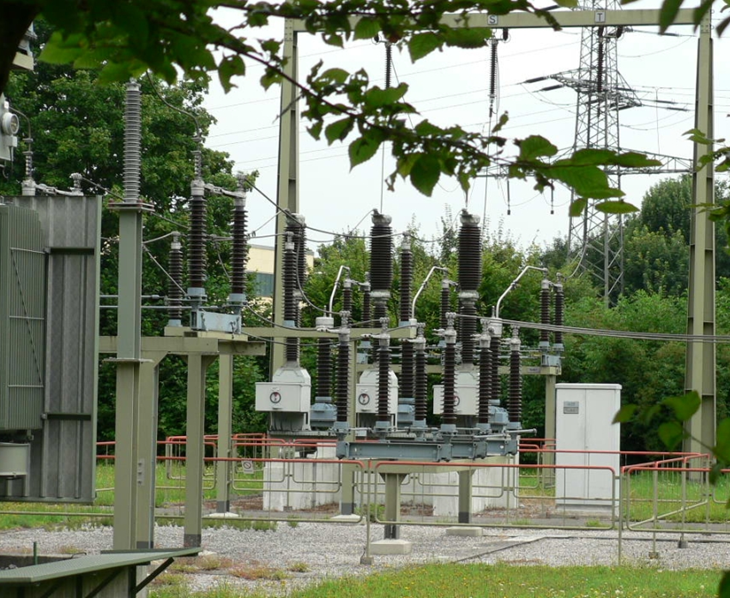
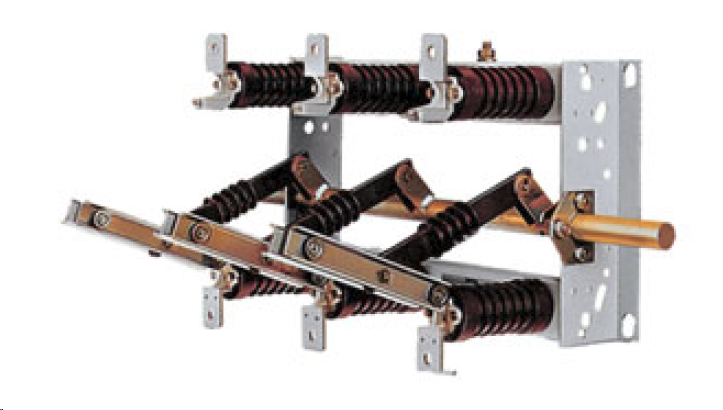
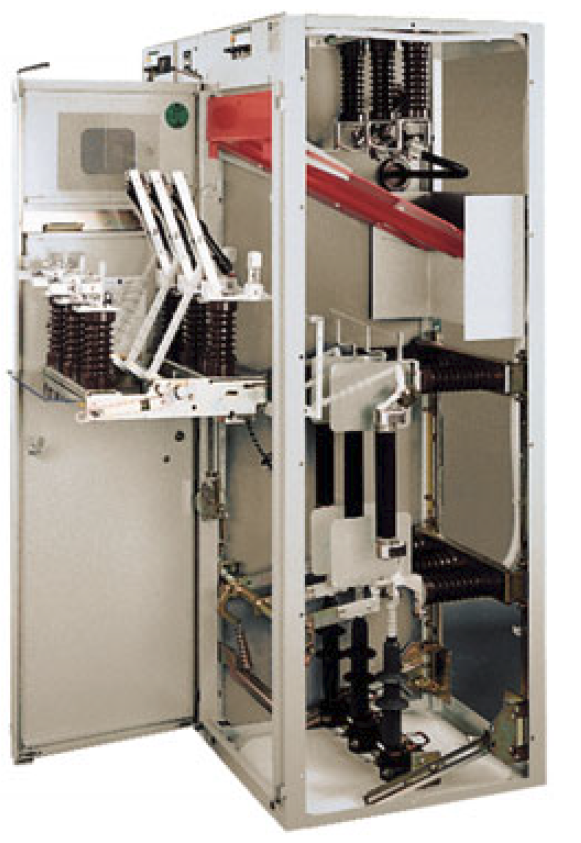
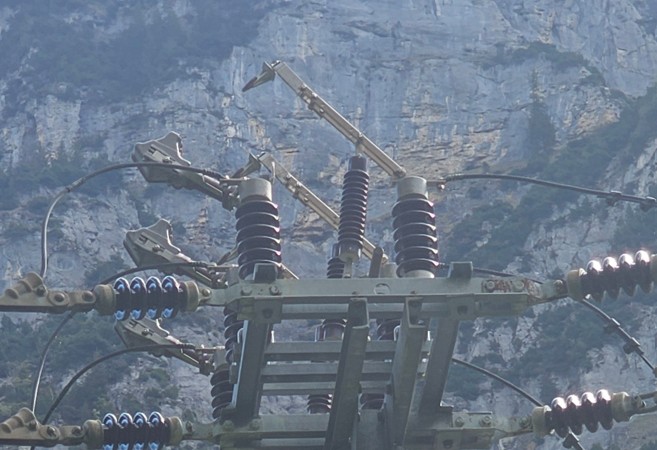
Disconnectors are used to prepare a line path and may only be switched in a nearly de-energized state. Already idle lines pose a problem for them because of line capacities. An interlock ensures that they are only operated when the circuit breaker is open.
 | EHVDisconnector [312] |
|
|
| HVDisconnector [332] |
|
|
| MVDisconnector [352] |
|
|
| LVDisconnector [372] |
|
|
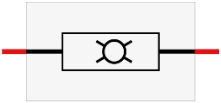
| LightingDisconnector [374] |
|
|
This AssetType is classified in more detail using the AssetEntity attribute. The following subtypes are defined in the model:
Asset-Typ Detail (AssetEntity) |
Description |
Symbol/picture |
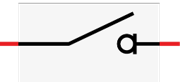
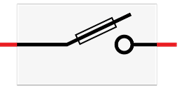
On-load isolation switch1 |
The load break switch combines the properties of a load switch and a disconnect switch: - Electrical equipment can be safely switched on and off even under load. - When open (switched off), these switches have the required visible separation distance. For this purpose, load break switches are equipped with an arc extinguishing device at the contacts. For this reason, they are used instead of isolating switches to increase safety in switchgear. They are mainly used as main and transfer switches in small medium-voltage systems. They are also used to switch unloaded and loaded transformers, cables and overhead lines, and reactive current compensation capacitors. In low-voltage networks, load break switches are used to interrupt main circuits in the main distribution area. |
|
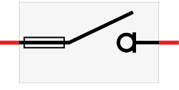
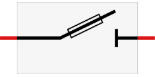
On-load isolation fuse1 |
The load break switch is combined with a fuse for use in networks with higher short-circuit power. |
|
Load switch |
The usual switching on and off of operating equipment or consumers requires a load switch. The light switch in domestic installations, for example, belongs to this group. Load switches are used where no integrated isolation function is required. |
|
Disconnector, safety switch load break switch |
Disconnectors are used to prepare a conductor path and may only be switched when virtually de-energised. Conductors that are already idle pose a problem for them due to the conductor capacities. A lock ensures that they can only be operated when the circuit breaker is open. Disconnectors are used to 1) create a visible separation between live and de-energised parts of the system 2) switch between busbars of system and line outputs without interruption. |
|
Load switch with fuse |
Load switch with a fuse outside the load switch, which makes it easier to check and replace the fuse. |
|
Disconnect switch with fuse |
The primary function remains ‘disconnection’. The fuse is inserted into a holder outside the disconnect switch. This means that it can also be replaced independently of the switch status of the disconnect switch. |
|
Fuse load switch |
Load switch with integrated fuse. Can handle higher short-circuit currents than the load switch with fuse. |
|
Fuse disconnect switch, Fuse disconnector |
A fuse is an integral part of the disconnect switch. Its more compact design makes it attractive for smaller installations. Fuse disconnect switches offer a reliable way to shut off power when needed, while also providing overcurrent and short-circuit protection, etc. This prevents the wiring from overheating and potentially causing a fire, and offers some protection for the device itself. |
|
Fuse on-load disconnecting switch |
Load break switch with integrated fuse. |
|
Insulation monitoring limiter |
IS limiter (insulation monitoring) The IS limiter enables the loss-free conduction of a high operating current on the one hand and the limitation of short-circuit current on the other. When its integrated sensor detects a high probability of a short circuit, it limits this current in order to maintain normal operation for as long as possible. This solves short-circuit problems in new and expanded systems and reduces the cost of switching elements in switchgear. |
|
Fuse |
A fuse is a device that protects against overcurrent in electrical circuits. It interrupts the circuit when the current flowing through it exceeds a specified value. Once a fuse has been triggered, it must be replaced. |
|
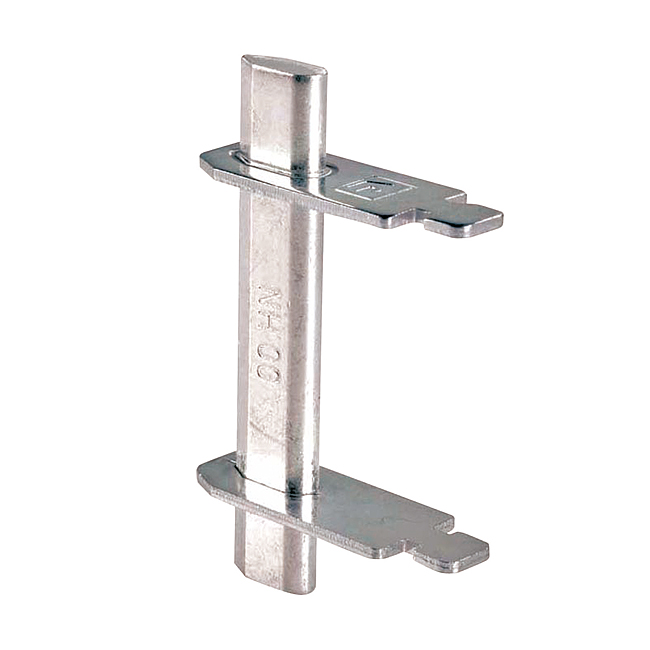
Neutral isolator |
Disconnecting blades consist of solid metal parts that serve to convert circuit breakers into circuit disconnectors. They are mainly used when only the disconnecting function (no protection by fuse) is required, or for disconnecting from the neutral conductor. They are also used to shorten connections and neutral conductor connections. |
|
Ground switch |
The earth switch serves to ensure safety and protection in an electrical system by connecting a conductor, device or system to earth. |
|
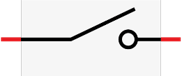
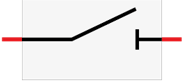
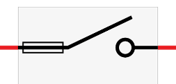
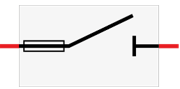


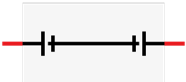
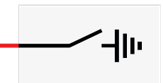
| 1 Load break switches and load break switches with fuses are types that occur in both FlowControlDevices and CircuitControlDevices. If a load break switch acts as a subnetwork limiter, it must be recorded as a CircuitControlDevice. |