The control valve in a system (station or domestic installation)
It is used to regulate the volume flow, pressure or both simultaneously. There are the following basic types, which can be categorised more precisely using the AssetEntity attribute:
Flow control devices that limit or maintain the volume flow regardless of pressure: flow limiters/flow controllers/volume flow controllers
Pressure control devices
Pressure reducers reduce the inlet pressure to a constant outlet pressure. They regulate continuously.
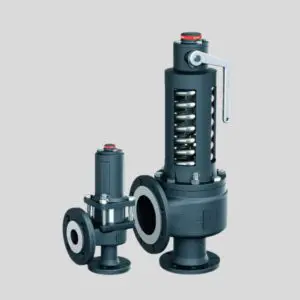
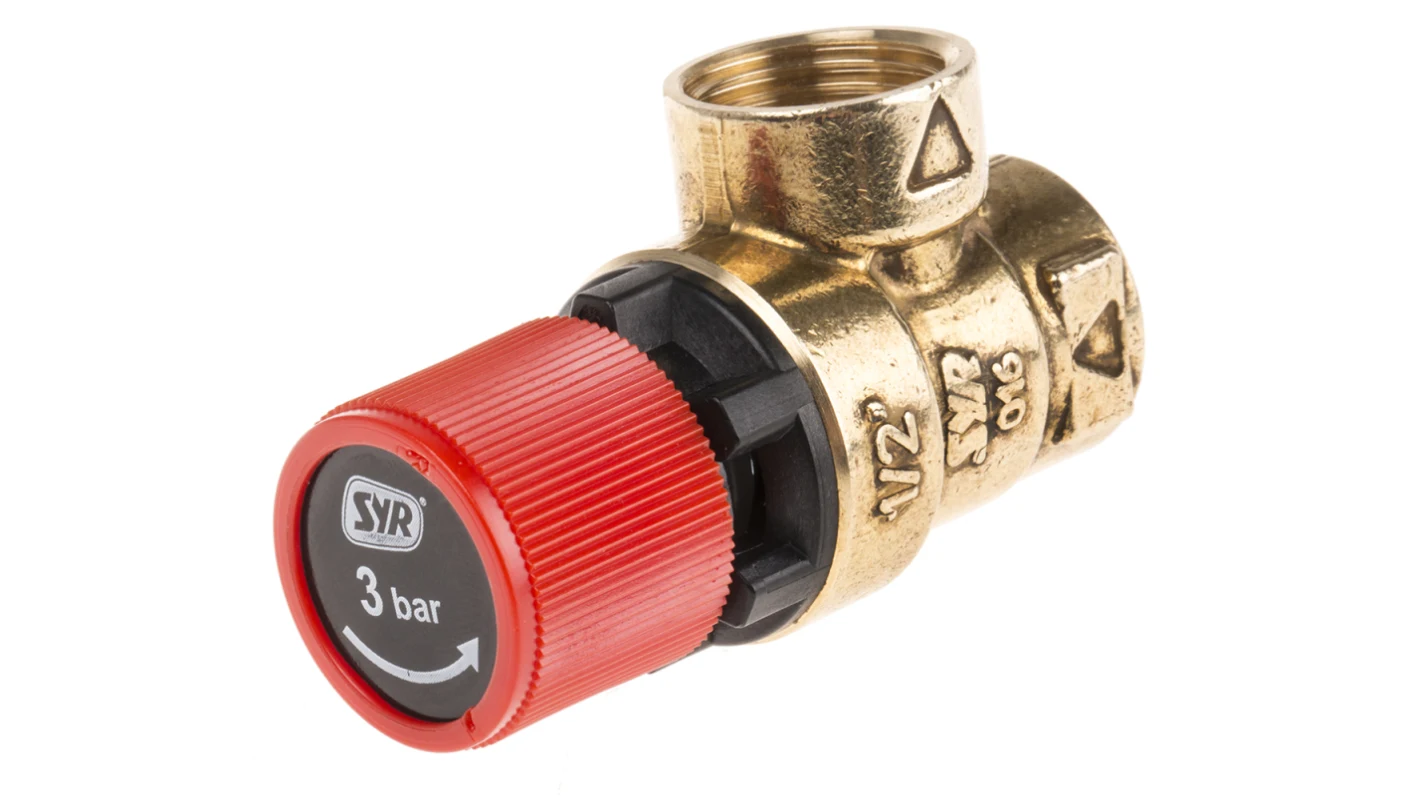
Safety valve: opens when the maximum pressure is exceeded and vents the medium. It only reacts in an emergency in the event of overpressure to protect the equipment from destruction. It closes again automatically when the pressure drops.
Pressure relief valve: diverts excess pressure to maintain a constant maximum pressure. Can open continuously or as required, and is therefore a combination of control and protection.
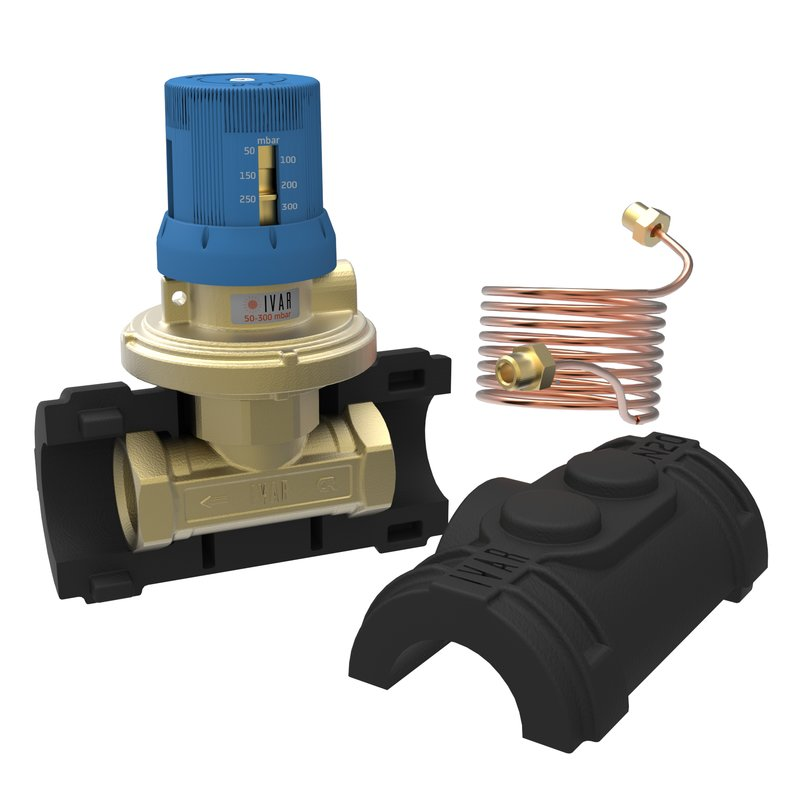
Differential pressure regulator: maintains a constant differential pressure between the flow and return (rarely in the pipe network, generally only in a system).
Combined control valves (only on the secondary side)
Combination valve / 2-in-1 control valve, pressure-independent control valve
Modulating control valves / actuator control valves: Stepless adjustment of the flow rate as required. Also motorised control valves, demand-driven control valves. Three-way or 4-way valves also belong to this group because they use sensor information to dynamically mix the medium from two pipes or divert the flow between two paths in real time.
|